



Neuromuscular
Latest News


Phase 3 PROPEL Trial to Test Imeroprubart in Generalized Myasthenia Gravis
By Marco Meglio

Early Spinal Muscular Atrophy Treatment Tied to Milder Pediatric Phenotype
By Marco Meglio
Advertisement
Video Series
Latest Videos









Shorts

0:46
Improving Future CIDP Trial Design
4 days ago
by
Marco Meglio(+1 more)

1:16
Primary Phase 2 Results for CAR T-Cell Therapy in gMG
5 days ago
by
Marco Meglio(+1 more)

1:17
RECAP: Neurology News Network - September 26th
9 days ago
by
Louie Pasculli

0:57
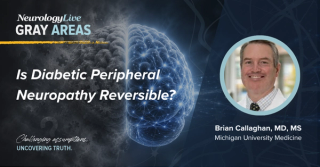
What Other Nerve Conditions Are Teaching Us About Reversing DPN
10 days ago
by
Brian Callaghan, MD, MS

0:57
The 5 to 10 Year Outlook for Diabetic Peripheral Neuropathy
11 days ago
by
Brian Callaghan, MD, MS

0:49
The Research Gaps Standing Between DPN and Reversibility
11 days ago
by
Brian Callaghan, MD, MS

1:00
The Broader Lessons From Zilganersen's Path to Approval
25 days ago
by
Amy Waldman, MD

1:35
The Missing Step Between iPSC Drug Screening and Clinical Trials
a month ago
by
Ahmet Hoke, MD, PhD

0:35
What iPSC Models Miss About the Nervous System
a month ago
by
Ahmet Hoke, MD, PhD

1:28
Building a Smarter Drug Development Pipeline for Neuropathy
a month ago
by
Ahmet Hoke, MD, PhD
Podcasts
CME Content







Advertisement
More News

Take 5 minutes to catch up on NeurologyLive®'s highlights from the week ending October 2, 2026.

Findings from the phase 3 TransportNPC study showed that Trappsol Cyclo missed the primary end point in Niemann-Pick type C, but subgroup and survival data support planned 2026 NDA.

The Accelerating Access to Critical Therapies for ALS Reauthorization Act of 2026 extends federal support for ALS research and expanded access to investigational therapies, with additional provisions addressing clinical trial oversight and regulatory planning.

New 12-month interim data showed functional gains with BBP-418 vs placebo, consistent benefit across genotype, age, and baseline pulmonary function subgroups, and a safety profile comparable to placebo.

Real-world 12‑month results from WeSMA, a phase 4 study, showed that oral risdiplam is well tolerated in adults with SMA, with stable motor function and consistent safety findings.

A phase 4 study is evaluating whether adults with chronic inflammatory demyelinating polyneuropathy can transition from intravenous immunoglobulin to subcutaneous efgartigimod PH20 without first experiencing disease worsening.

A new phase 4 trial, OCTAGON, will test a rapid, predefined corticosteroid-tapering schedule in patients with generalized myasthenia gravis treated with ravulizumab.

PETUNIA, a new global pharmacovigilance study, will track pregnancy, maternal, and infant outcomes among patients with gMG exposed to nipocalimab.

Findings from the phase 1/2 RESET-MG trial, presented at AANEM 2026, showed that 10 of 13 patients with refractory generalized myasthenia gravis had clinically meaningful MG-ADL improvements after a single infusion of rese-cel.

A new study will follow adults with chronic inflammatory demyelinating polyradiculoneuropathy who start subcutaneous efgartigimod in routine practice in the US and Germany.

The chairman of the Neurology Service Line at Baptist Health in Kentucky discussed PREVIEW trial findings for gefelorilimab in generalized myasthenia gravis, including efficacy, safety, and what the subcutaneous C5 inhibitor could offer patients if approved.

Phase 3 trials EMNERGIZE and EMVIGORATE will evaluate the efficacy and safety of intravenous empasiprubart in adults with chronic inflammatory demyelinating polyradiculoneuropathy.

The ongoing phase 3 study is enrolling approximately 180 adults across more than 13 countries, with topline results expected in mid-2027.

New data from the 2026 AANEM Annual Meeting showed zilucoplan delivered via autoinjector was bioequivalent to the pre-filled syringe and was well tolerated when self-administered by patients with generalized myasthenia gravis.

The phase 3 HARMONIA trial will evaluate whether a muscle- and CNS-targeted antisense conjugate improves function across multiple systems in patients with myotonic dystrophy type 1.

New phase 3 MINT trial analyses presented at the 2026 AANEM Annual Meeting showed inebilizumab produced sustained improvement in MuSK-positive gMG regardless of time since diagnosis.

New PREVAIL trial analyses presented at the 2026 AANEM Annual Meeting showed gefurulimab reduced gMG-related hospitalizations and produced durable symptom and quality-of-life gains through one year.

Here's some of what is coming soon to NeurologyLive® this week.
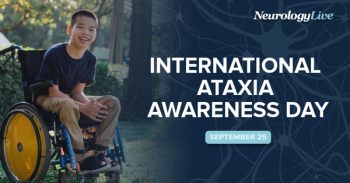
In recognition of International Ataxia Awareness Day, observed annually on September 25, NeurologyLive® reviews 6 investigational agents in clinical development across ataxia-related disorders.
Take 5 minutes to catch up on NeurologyLive®'s highlights from the week ending September 25, 2026.

One-year KYSA-6 data showed KYV-101, a CD19 CAR T-cell therapy, produced durable, drug-free responses in generalized myasthenia gravis.
The FDA has granted Scholar Rock's apitegromab fast track designation for the treatment of patients with living facioscapulohumeral muscular dystrophy as the company's phase 2 FORGE study dosing begins.

Ulefnersen met its primary end point in the phase 3 FUSION trial, providing the first placebo-controlled evidence for a genetically targeted therapy in FUS-ALS.

The CHMP recommended approval of gefurulimab (Klygefa), a weekly, self-administered C5 inhibitor, for AChR-antibody-positive generalized myasthenia gravis in the EU.
Here's some of what is coming soon to NeurologyLive® this week.
Advertisement
Advertisement
Trending on NeurologyLive - Clinical Neurology News and Neurology Expert Insights
1
Phase 3 PROPEL Trial to Test Imeroprubart in Generalized Myasthenia Gravis
2
Early Spinal Muscular Atrophy Treatment Tied to Milder Pediatric Phenotype
3
LRRK2 Inhibitor BIIB122 Fails to Slow Early-Stage Parkinson Disease
4
Nipocalimab’s Safety Profile Slightly Favored Over Other Myasthenia Gravis Therapies, Indirect Comparison Shows
5