

Stroke
Latest News

Advertisement
Video Series
Latest Videos


Podcasts


CME Content




Advertisement
More News
The director of Cleveland Clinic's Gamme Knife Center and Head Section of Spine Tumors writes about how stereotactic radiosurgery has transformed modern neurology and neurosurgery

A recent trial reveals semaglutide's potential for neurological improvement in stroke patients, despite no overall functional recovery benefits.
Catch up on any of the neurology news headlines you may have missed in December 2025, compiled into 1 place by the NeurologyLive® team.
Explore anticipated FDA decisions on groundbreaking neurology drugs in 2026, shaping treatment options for various neurologic conditions.
These were the most impactful FDA approval stories that were part of our coverage in 2025, brought to you as part of NeurologyLive's Year in Review.

GLP-1 research in neurology is on the rise, with several pivotal studies lending insights into their role.

Take 5 minutes to catch up on NeurologyLive®'s highlights from the week ending December 19, 2025.
The expanded indication brings n-butyl cyanoacrylate’s established performance into the treatment of chronic subdural hematoma, a condition for which traditional surgical interventions may not always be suitable or effective.

Walter Kernan, MD, senior research scientist at Yale University, discussed the latest primary stroke prevention guidelines and their focus on lifelong brain health and risk factor management.

Neal K. Shah talked about how social robots could support emotional well-being in patients with neurologic conditions by reducing loneliness and promoting engagement in health-related activities.
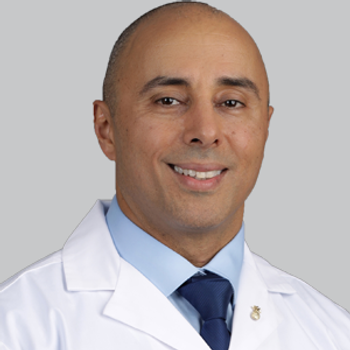
Baptist Health Brain & Spine enhances its neurology leadership with Peter Abdelmalik, MD, focusing on patient care, education, and operational efficiency.
Take 5 minutes to catch up on NeurologyLive®'s highlights from the week ending November 28, 2025.
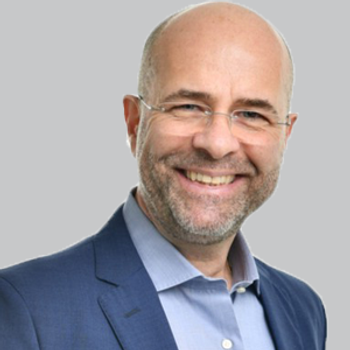
Encouraging data from the OCEANIC-STROKE study suggest that asundexian may soon join the therapeutic landscape for secondary stroke prevention as Bayer advances toward submission.

Eva Mistry, MD, an associate professor of neurology at the University of Cincinnati, discusses the mechanism, rationale, and clinical data supporting SCP776, a first-in-class IGF-1-based cerebroprotective therapy for acute ischemic stroke.

A 2025 study published in Neurology® found that people with both gum disease and dental cavities face significantly higher long-term risks of stroke and major cardiovascular events compared with those with good oral health.

New clinical trial results show LT3001's promise in treating acute ischemic stroke, demonstrating safety and improved patient outcomes without complications.
Take 5 minutes to catch up on NeurologyLive®'s highlights from the week ending October 31, 2025.
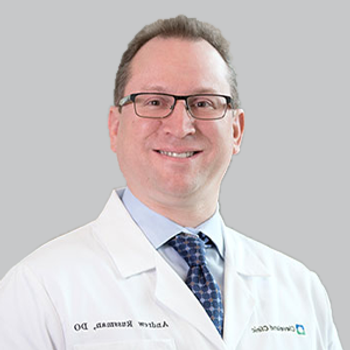
Andrew Russman, DO, medical director of Cleveland Clinic’s Comprehensive Stroke Center, shared insights on stroke awareness, prevention, and the growing importance of heart-brain collaboration in care.

Amid World Stroke Day, neurosurgeon Evan Luther, MD, discussed the PICASSO trial’s effort to clarify the role of acute carotid stenting during mechanical thrombectomy for tandem occlusions in ischemic stroke.
The chief science officer at the American Heart Association discusses its priorities for stroke prevention, cross-specialty collaboration, and equitable care as clinicians mark World Stroke Day 2025.
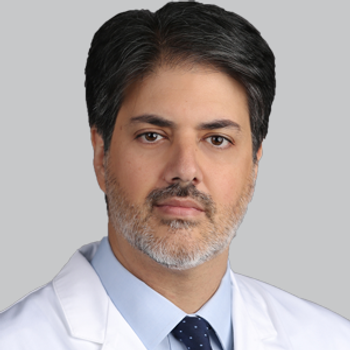
The co-director of interventional neuroradiology at Baptist Health Miami Neuroscience Institute discussed decision-making for ruptured and unruptured aneurysm, endovascular and open outcomes, and training priorities for modern cerebrovascular care.
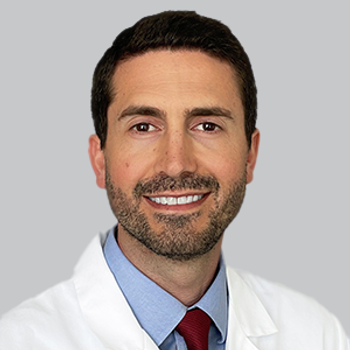
Portable optical blood flow monitors can enhance prehospital stroke diagnosis, enabling faster, accurate triage for large vessel occlusions and improving patient outcomes.

Semaglutide demonstrates superior cardiovascular benefits over dulaglutide, reducing heart attack and stroke risks in type 2 diabetes patients.

Grace Therapeutics reveals promising results for GTx-104, an innovative IV treatment for aSAH, potentially transforming patient care in neurocritical settings.

A recent trial reveals perispinal etanercept is safe for chronic stroke patients but shows no significant efficacy compared with placebo.
Advertisement
Advertisement
Trending on NeurologyLive - Clinical Neurology News and Neurology Expert Insights
1
Myelin Protective Small Molecule Lucid-MS Shows Promising Early-Stage Data in Healthy Volunteers
2
Cladribine Tablets Show Ability to Improve or Stabilize Cognitive Function in Patients With Relapsing Multiple Sclerosis
3
Cladribine Maintains Efficacy, Safety Profile in Older Patients With Multiple Sclerosis
4
Using Human iPSC Models to Dissect PIRA Mechanisms in Progressive Multiple Sclerosis: Valentina Fossati, PhD
5