
Wearable accelerometer metric 6M95C tracks Duchenne progression beyond walking loss, delivering effort‑independent, real‑world outcomes to strengthen late‑stage clinical trials.
Wearable accelerometer metric 6M95C tracks Duchenne progression beyond walking loss, delivering effort‑independent, real‑world outcomes to strengthen late‑stage clinical trials.
William Kilgo, MD, and rising chief resident Ashley Nguyen, MD, discuss the evolving neurology residency Match process, offering guidance on competitiveness, interviews, program fit, and recruitment in the virtual era.
GLP-1 receptor agonists show growing relevance in neurology, with strongest evidence in stroke prevention and obstructive sleep apnea and emerging signals in idiopathic intracranial hypertension and migraine.
Machine learning will only transform clinical neurology if predictive accuracy is matched by usability, transparency, and active physician involvement in the design and implementation of tools that support patient care.
Experts Laura Saucier, MD, MSc, and Jonathan Santoro, MD, examined pediatric MOGAD phenotypes, highlighting how variability in clinical presentation may influence treatment responses and inform individualized care strategies.
Members from Danaher Diagnostics provided clinical commentary and insights on an emerging immunoassay geared towards testing apolipoprotein (APOE) in patients with suspected Alzheimer disease.
In honor of Purple Day®, held on March 26, 2026, Mary Anne Meskis, chief executive officer of the Dravet Syndrome Foundation, highlighted ongoing efforts and future steps to raise awareness for rare epileptic disorders.
Neal K. Shah, CEO of CareYaya Health Technologies, discusses how the largest workforce in the US maintains the safety of patients with dementia at home while remaining underpaid and unrecognized.
Grip strength offers neurologists a responsive, objective measure that captures treatment effects and real-world fluctuations—complementing disability scales and helping to guide decision-making in clinical practice.
Neal K. Shah, CEO of CareYaya Health Technologies, discussed how AI-powered caregiver training platforms like YayaGuide can personalize dementia care education for family caregivers.
The director of Cleveland Clinic's Gamme Knife Center and Head Section of Spine Tumors writes about how stereotactic radiosurgery has transformed modern neurology and neurosurgery
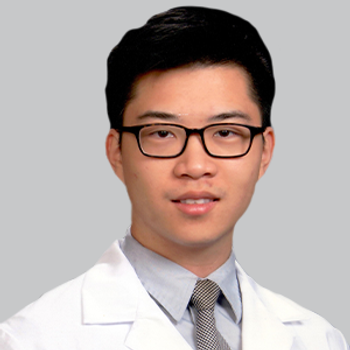
In this Neuropathways piece, Kevin Chang, PharmD, explores the complexities of remyelination in multiple sclerosis and the potential of Wnt/β-catenin signaling as a therapeutic target.
A look back at clinician-led features from 2025 that examine the questions, data, and decisions shaping neurologic care.
Explore the evolving landscape of developmental and epileptic encephalopathies in adults, highlighting precision therapies and the need for accurate diagnoses.
Neal K. Shah talked about how social robots could support emotional well-being in patients with neurologic conditions by reducing loneliness and promoting engagement in health-related activities.
Vaishal Shah, MD, MPH, FAASM, FAAP, center director of the Sleep Disorders Center at Cleveland Clinic, spoke on the changes in how obstructive sleep apnea is treated, moving away from CPAP to more novel approaches.
Robert Shin, MD, FAAN, professor of neurology and ophthalmology at the University of Virginia and director of the UVA MS and Clinical Neuroimmunology Center, recently shared his expertise on how multiple sclerosis (MS) affects men on the National MS Society’s Ask an MS Expert program.
Portable optical blood flow monitors can enhance prehospital stroke diagnosis, enabling faster, accurate triage for large vessel occlusions and improving patient outcomes.
At AHS 2025, Eric Baron, DO, headache specialist at Cleveland Clinic, presented findings from a cross-sectional survey that examined psychedelic use among Canadian patients with migraine and cluster headache.
Explore the role of the complement system in autoimmune neuropathies like GBS and CIDP, and discover innovative therapeutic strategies targeting complement pathways.
Navigating the transition from pediatric to adult neurology involves careful planning, education, and support to ensure optimal care and independence for young adults.
Navigating insurance hurdles for multiple sclerosis treatments poses significant risks, as seen in a patient's devastating relapse after denied care.
Explore innovative neurorehabilitation strategies for stroke recovery, emphasizing personalized approaches and advanced technologies to enhance patient outcomes.
Engaging care partners in multiple sclerosis treatment enhances patient outcomes and supports their well-being, fostering healthier care partnerships.
AHN's neuro-oncology program aims to revolutionize brain and spine tumor care with innovative therapies, personalized treatment plans, and advanced research initiatives.
AHN Neuroscience Institute is using advanced, minimally invasive spinal surgery techniques to treat complex spine conditions, offering faster recovery, smaller incisions, and improved patient outcomes.
AHN Neuroscience Institute is the first in western Pennsylvania to offer the FDA-approved Vivistim device, combining vagus nerve stimulation with traditional rehab to improve stroke recovery.
Deborah Benzil, MD, FAAS, vice chair of neurosurgery at Cleveland Clinic's Center for Spine Health, shared her extraordinary journey of resilience, from overcoming repeated rejections to becoming a trailblazer for women in neurosurgery, and reflects on the progress made and the challenges that remain.
Neal K. Shah talked about an artificial intelligence innovation that can be used to fight denied health insurance claims, thus improving revenue cycle management for physicians' practices and the patient experience.
Igor Rybinnik, MD, associate professor in the division of stroke and neurocritical care in the department of neurology at Rutgers Robert Wood Johnson Medical School, talked about aspects of dizziness.