

Clinical trials assessing cell therapies for Parkinson disease treatment may show early potential in improving both motor and nonmotor symptoms.

Isabella Ciccone, Content Associate, NeurologyLive®, has been with the team since September 2022. Follow her on X @iciccone7 or email her at [email protected]
Clinical trials assessing cell therapies for Parkinson disease treatment may show early potential in improving both motor and nonmotor symptoms.

Treatment with SAGE-324/BIIB124 for essential tremor resulted in adverse events that included somnolence, dizziness, fatigue, and balance disorder.

Findings from a recent study suggest that the presence of negative myoclonus may serve as a diagnostic clue for progressive myoclonus ataxia, suggesting the presence of genetic disorders.

Despite failing to meet the primary end point, AMO-02 achieved clinically and statistically significant benefit in various functional and objective assessments in the phase 2/3 REACH-CDM trial.

A recent case series showed concerning trends of neurological conditions from mosquito-borne diseases impacting patients living in Canada and the United States.
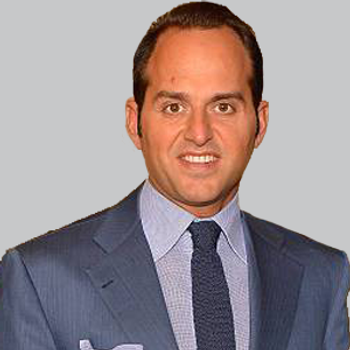
To date, treatment with foralumab has shown promising results in stabilizing or improving clinical measures without serious adverse effects among patients with non-active secondary progressive multiple sclerosis.

Recent preclinical findings revealed SBT-589's potential to treat cardiomyopathy in Friedreich ataxia by targeting mitochondrial dysfunction.

Leslie Citrome, MD, MPH, clinical professor of psychiatry and behavioral sciences at New York Medical College, shared his reaction to the recently approved new sprinkle formulation of valbenazine for patients with tardive dyskinesia.

Data from the phase 2 open label extension study investigating subcutaneous injections of nomlabofusp for Friedreich ataxia is expected in the fourth quarter of 2024.

The professor of neurology at Mayo Clinic talked about the need for comprehensive testing, careful consideration of criteria for diagnosis, and effective treatment in MOG antibody-associated disease.

The original approval for chorea associated with Huntington disease was based on the phase 3 KINECT-HD study, an 128-patient cohort trial in which valbenazine met its primary end point.

As part of our monthly clinician spotlight, NeurologyLive® highlighted movement disorder expert Kelly Papesh, DNP, APRN, FNP-BC, executive director of the Association of Movement Disorder Advanced Practice Providers.

In recent news, Lexeo Therapeutics' gene therapy candidate LX2006 received FDA fast track designation for patients with Friedreich ataxia cardiomyopathy.

A recent study showed the relationship between genes associated with lysosomal function and environmental exposure to pesticides in Parkinson disease.

A case study of a 52-year-old Korean woman revealed the potential of Nanopore long-read sequencing in diagnosing atypical late-onset ataxia-telangiectasia.

Ofatumumab showed a consistent and long-term reduction in relapse rates and MRI lesion activity in patients with recently diagnosed, treatment-naïve relapsing multiple sclerosis.

Paula Emanuela Voinescu, MD, PhD, director of the Women's Epilepsy Program at Brigham and Women's Hospital, talked about the influence of sex hormones on maternal outcomes in pregnant women with epilepsy treated with antiseizure medication.

Kate Labiner, MD, a pediatric epileptologist at Child Neurology Consultants of Austin, talked about the potential of cenobamate in pediatric patients with refractory focal epilepsy who have failed multiple medications.

An analysis of a phase 3 trial of low sodium oxybate in patients with idiopathic hypersomnia identified a minimal clinically important difference in the visual analog scale for sleep inertia.

A phase 3b study showed that switching from intravenous C5 inhibitors to subcutaneous zilucoplan in patients with myasthenia gravis was associated with symptom improvement at 12 weeks.

Even at the highest modal dose range, findings from the phase 3 RISE-PD trial showed that IPX203 did not increase safety risks for patients with Parkinson disease over time.

New findings from the phase 3 PROOF-HD trial showed that pridopidine outperformed placebo up to 78 weeks in patients with Huntington disease even after excluding those on neuroleptics and antichorea medications.

ALKS 2680, an investigational orexin 2 receptor agonist, showed promise for improving sleep latency in patients with narcolepsy type 2 and idiopathic hypersomnia in a phase 1b study.

The FDA has approved a label update on the administration options for SK Life Science’s cenobamate, a treatment approved for adults with partial-onset seizures.
The executive vice president and chief research officer of the Muscular Dystrophy Association shared her reaction to the recent FDA approval of givinostat for Duchenne muscular dystrophy.

The first patient enrolled into the phase 1/2a ArthemiR trial assessing ATX-01 myotonic dystrophy type 1 is expected in the second quarter of 2024.

The newly cleared i-STAT TBI test can be used to help assess patients up to 24 hours after injury at patient bedside, with lab-quality results produced in 15 minutes.

A recent study indicated that certain antiseizure medications used in pregnant women with epilepsy had a lower risk of major congenital malformations.
A recent published letter affirmed the safety of cenobamate, an FDA-approved antiseizure medication, in a large global patient population.

Findings from a recent study revealed the significant influence of lysosomal polygenic burden on cognitive decline in patients Parkinson disease who also have a low risk of Alzheimer disease.