




Narcolepsy
Latest News


Phase 1b/2 Data Show Investigational HS-10506 Reduces Sleep Latency in Insomnia
By Marco Meglio
Advertisement
Latest Videos


Shorts
1:20
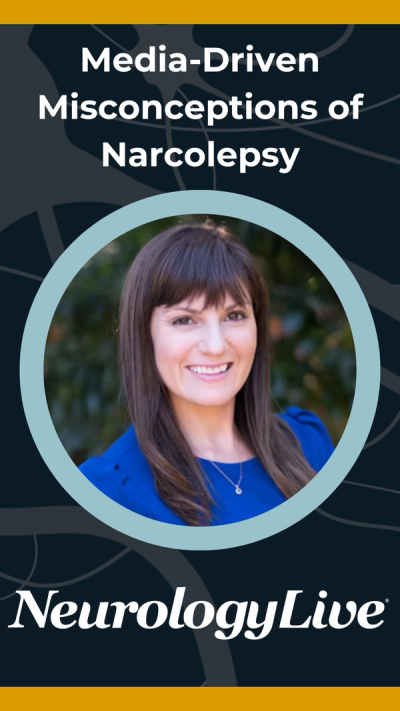
Media-Driven Misconceptions of Narcolepsy
6 months ago
by
Julie Flygare, JD(+1 more)
Podcasts


CME Content










Advertisement
More News

Alkermes has initiated the phase 3 Brilliance program for alixorexton in narcolepsy, building on prior phase 1 and 2 data showing significant improvements in wakefulness and daytime sleepiness.
Advances in Orexin-Based Therapies: Key Updates From the Past 6 Months
Published: | Updated:
From FDA regulatory milestones for investigational agents to emerging clinical data across sleep disorders, this roundup highlights notable developments shaping the evolving landscape of orexin-targeted therapies.

FDA Expands Indication for Pitolisant to Treat Cataplexy in Pediatric Narcolepsy
Published: | Updated:
The FDA expands pitolisant, marketed as Wakix, to treat cataplexy in pediatric patients 6 years and older with narcolepsy, making pitolisant the only nonscheduled option for excessive daytime sleepiness and cataplexy attacks.
FDA Accepts New Drug Application for Orexin Agonist Oveporexton in Narcolepsy Type 1, Grants Priority Review
Published: | Updated:
The FDA has granted priority review to Takeda’s new drug application for oveporexton, an orexin receptor 2-selective agonist, for narcolepsy type 1, with a PDUFA date in the third quarter of 2026.

Treatment with the orexin-receptor 2 agonist oveporexton was associated with improvements in attention, memory, and executive function in adults with narcolepsy type 1.

Phase 3 REVITALYZ Trial of Once-Nightly Sodium Oxybate in Idiopathic Hypersomnia Finishes Enrollment
Avadel's REVITALYZ trial for Lumryz in idiopathic hypersomnia shows promise, potentially offering a new treatment option for this underserved condition.
TRN-257, a treatment in development for adults with narcolepsy and idiopathic hypersomnia, is designed to reduce daily sodium exposure relative to existing higher-sodium therapies.

New trial results reveal alixorexton's significant efficacy in treating narcolepsy type 2, marking a potential breakthrough in sleep medicine.

New research highlights daridorexant's effectiveness in improving sleep for women experiencing insomnia during menopause, showcasing significant benefits in sleep quality.

The VP of clinical development at Alkermes detailed phase 2 results for alixorexton, an oral, selective orexin 2 receptor agonist, in narcolepsy type 1, including benefits for fatigue, cognition, and weakness.

Richard Kovacs, MD, PhD, chief medical officer for the American College of Cardiology, discusses interim XYLO trial results, highlighting how switching to low-sodium oxybate can significantly impact blood pressure and cardiovascular risk profiles in narcolepsy.

New study reveals that alixorexton significantly improves wakefulness and reduces daytime sleepiness in narcolepsy type 1, paving the way for phase 3 trials.

Takeda reveals promising phase 3 results for oveporexton, a potential breakthrough treatment for narcolepsy type 1, targeting excessive daytime sleepiness.
The chief medical and scientific officer at Harmony Biosciences discussed the pharmacologic rationale and preclinical development of BP1.15205, a novel orexin receptor 2 agonist for hypersomnolence.
Richard Bogan, MD, FCCP, FAASM, an associate clinical professor at the University of South Carolina School of Medicine, discussed a bevy of presentations from the 2025 SLEEP Annual Meeting highlighting the effects of once-nightly sodium oxybate.

A new phase 2 study explores samelisant's potential to treat cataplexy in narcolepsy type 1, promising improved patient outcomes and safety.

Findings from the Jazz DUET study presented at SLEEP 2025 showed that low-sodium oxybate reduced daytime sleepiness and improved sleep parameters in patients with narcolepsy types 1 and 2.

New phase 2 trial data presented at SLEEP 2025 suggest TAK-861 significantly decreased microsleep frequency and delayed onset of first microsleep in individuals with narcolepsy type 1.

A newly presented actigraphy-based algorithm demonstrated high accuracy in detecting daytime naps, offering insights into napping behavior changes in patients with narcolepsy type 1.

Apnimed's AD109 shows promise in treating obstructive sleep apnea, achieving significant results in a landmark Phase 3 trial, paving the way for FDA approval.
A recent interim analysis of a 5-year observational study showed sustained benefit of pitolisant in reducing excessive daytime sleepiness and cataplexy in patients with narcolepsy.

Over a 4-week treatment period, daridorexant outperformed placebo on several subjective sleep and nocturia assessments, while maintaining a good safety and tolerability profile.

The director of sleep medicine at Nemours Children's Health in Florida talked about the growing treatment landscape for pediatric sleep disorders and the vital role of family-centered, multidisciplinary care. [WATCH TIME: 5 minutes]
The director of sleep medicine at Nemours Children's Health in Florida talked about the growing role of multidisciplinary care and novel therapies in managing pediatric sleep disorders.

Data suggest no significant differences in comorbidity rates in a newly published study, highlighting dosing challenges and treatment patterns in patients receiving immediate-release sodium oxybate.
Advertisement
Advertisement
Trending on NeurologyLive - Clinical Neurology News and Neurology Expert Insights
1
Advancing the Field: Stem Cell Therapies and the Future of Parkinson Disease Treatment
2
Current and Emerging Strategies for Managing Huntington Disease Symptoms: Karen Anderson, MD
3
Improving Recognition and Treatment of Hyperkinetic Movement Disorders: Zoltan Mari, MD
4
Differentiating Pathologic Features of Alzheimer Disease and Lewy Body Dementia: Charbel Moussa, MBBS, PhD
5