
Commentary|Articles|June 8, 2026
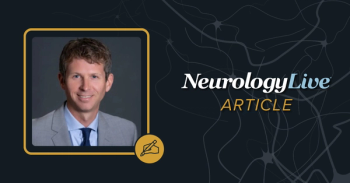
Advances in Diagnosing Atypical Parkinsonisms and Ataxias: David Shprecher, DO, MSci, FAAN
Fact checked by: Marco Meglio
Listen
0:00 / 0:00
At ATMRD 2026, the director of Movement Disorders at Banner Sun Health Research Institute discussed emerging biomarker and imaging technologies, the importance of clinical diagnostic expertise, and the evolving treatment landscape for atypical parkinsonian disorders and adult-onset ataxias.
Advertisement
The
Among the experts contributing to these discussions is David Shprecher, DO, MSci, FAAN, director of Movement Disorders at Banner Sun Health Research Institute in Arizona. Shprecher has been closely involved in the care of patients with atypical parkinsonian disorders, ataxias, and other neurodegenerative diseases, areas that are undergoing rapid transformation with the emergence of disease-modifying therapies and biomarker technologies. At this year’s meeting, Shprecher presented a session titled, “Beyond Parkinson’s Disease: Recognizing and Managing Atypical Parkinsonisms and Ataxias.”
In an interview with NeurologyLive®, Shprecher discussed emerging advances in the diagnosis and treatment of atypical parkinsonian disorders and adult-onset ataxias, highlighting the rapid evolution of the neurodegenerative disease landscape. He pointed to recent approvals of disease-modifying therapies, the emergence of molecular biomarkers for synucleinopathies, and the growing promise of advanced imaging techniques to improve diagnostic precision. Shprecher also emphasized that, despite these technological advances, a thorough understanding of clinical diagnostic criteria and movement disorder examination findings remains essential for accurately distinguishing atypical parkinsonism and ataxia from more common neurological conditions.
NeurologyLive: Can you provide an overview of your talk and the key takeaways for neurologists?
David Shprecher, DO, MSci, FAAN: One of the key takeaways is that it's a very exciting time to be practicing as a neurologist who sees these patients. We've seen the approval of the first disease-modifying therapies for neurodegenerative illnesses like Alzheimer disease, as well as the first therapy for a genetic form of ataxia, Friedreich ataxia, that actually modifies the course of the illness.
We're also at an exciting point where we have the first biomarkers that can confirm the presence of underlying brain pathology. We now have biomarkers for synuclein pathology through skin biopsy and cerebrospinal fluid testing, and we're on the cusp of having nuclear imaging ligands that can more accurately identify the underlying pathology. This includes ligands for synuclein and promising agents in development for 4-repeat tauopathies such as progressive supranuclear palsy (PSP) and corticobasal degeneration (CBD).
What are some of the emerging technologies clinicians should be aware of?
DaTscan has already been a game changer and remains one of the most widely used imaging tools to differentiate essential tremor from Parkinson disease or Lewy body dementia from Alzheimer disease. We also have excellent ligands for confirming amyloid pathology in the brain, which help identify appropriate candidates for anti-amyloid therapies and support insurance approval for those treatments.
What we still lack are highly accurate imaging ligands that can reliably distinguish 4-repeat tauopathies such as PSP and CBD from Alzheimer disease. However, the current trials evaluating these newer ligands are very exciting because they have the potential to fill that gap. Similarly, there are now several companies developing promising imaging ligands for synuclein, and at least one is already being incorporated as a biomarker in Parkinson disease clinical trials. It's a very exciting time, although many of these technologies are not yet available for routine clinical use.
Are there any unanswered questions or ongoing concerns in this space?
One of the biggest unanswered questions is what actually causes these illnesses. We still don't fully understand all of the triggers and biological processes that lead to neurodegenerative disease. Even in some genetic disorders, we don't completely understand why a particular mutation causes such a wide range of symptoms or why it can take decades before neurodegeneration becomes clinically apparent.
As a result, many of the therapies we've tested have been based on insights from animal models or secondary forms of parkinsonism rather than a complete understanding of disease biology. In many ways, our clinical trials are still educated guesses. We're hoping one of these approaches will hit the target, but only a small number have succeeded despite hundreds of trials.
What are some of the biggest misconceptions surrounding atypical parkinsonism?
One challenge is that when clinicians see someone with parkinsonian motor symptoms, they often jump to the conclusion that the patient has Parkinson disease because it is the most common cause. There's a misconception that anyone who walks slowly or shuffles, particularly at an older age, simply has Parkinson disease.
A little more familiarity with the diagnostic criteria and red flags for atypical parkinsonian syndromes can go a long way. We encourage our colleagues and advanced practice providers to become more comfortable recognizing these patterns. For example, if dementia develops within the first year, clinicians should consider dementia with Lewy bodies. If a patient has prominent early autonomic dysfunction without dementia, multiple system atrophy should be on the differential. When patients present with early postural instability, recurrent unexplained falls, or severe gait freezing that does not respond to levodopa, clinicians should evaluate for conditions such as PSP, vascular parkinsonism, or normal pressure hydrocephalus.
Looking ahead, where do you see the field heading in the future?
It's an exciting time because we're beginning to understand much more about the biological pathways involved in neurodegeneration. One direction we're likely to see is the use of combination therapies. Just as Alzheimer's disease treatment may involve targeting both amyloid and tau, other neurodegenerative diseases may eventually require combinations of therapies that address different aspects of disease biology.
For example, we may combine treatments that enhance the clearance of misfolded proteins with therapies that reduce neuroinflammation. Eventually, we may be able to tailor treatment to the specific causes of disease in an individual patient based on genotype, biomarker signatures, and clinical phenotype.
Another exciting area is gene-silencing technology. Right now, many of these approaches are highly invasive, requiring intrathecal administration through lumbar puncture or even neurosurgical procedures for viral-vector delivery. If we can develop less invasive methods to deliver gene-silencing therapies to the nervous system, similar to advances we've seen in other diseases, it could revolutionize treatment for genetic neurological disorders, particularly the hereditary ataxias.
Any final thoughts on the future of this field?
One question many people ask is what role artificial intelligence will play. In preparing this presentation, I found it almost impossible to stay current with everything happening in the field without using AI-assisted tools. AI will become an important resource for helping clinicians stay up to date and may even assist with pattern recognition and diagnostic support.
That said, it will still require significant oversight from expert clinicians. These tools can help us, but they won't replace the expertise and clinical judgment that physicians bring to patient care.
Transcript edited for clarity.
Advertisement
Related Content
Advertisement

Latest CME







Advertisement
Advertisement
Trending on NeurologyLive - Clinical Neurology News and Neurology Expert Insights
1
Differentiating Pathologic Features of Alzheimer Disease and Lewy Body Dementia: Charbel Moussa, MBBS, PhD
2
Improving Recognition and Treatment of Hyperkinetic Movement Disorders: Zoltan Mari, MD
3
Donanemab Shows Durable Amyloid Clearance and Consistent Safety in Early-Start Patients
4
Current and Emerging Strategies for Managing Huntington Disease Symptoms: Karen Anderson, MD
5