




MS and Demyelinating Disorders
Latest News
Advertisement
Latest Videos









CME Content






Advertisement
More News

Despite previous case series suggesting that undergoing surgery may increase the risk of multiple sclerosis relapse, retrospective analysis of more than 600 surgeries undergone by patients with progressive and relapsing MS now proposes that the risk of relapse is not high in the postoperative period.

A new treatment for NMOSD has been found to reduce relapse, decrease re-hospitalizations, and hinder the need to treat acute attacks with corticosteroids and plasma exchange.

The International Congress on the Future of Neurology will take place this Fall in New York City, converging experts in neurology to discuss the latest data and best practices to better inform clinical decision-making.
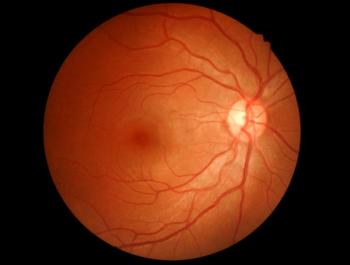
Six months after delivering a healthy baby girl, a physician experiences intermittent blurred vision and tingling in her left leg. Her diagnosis might surprise you.

The MS neurologist at Cleveland Clinic’s Lou Ruvo Center for Brain Health discussed the impact that propensity score has had on real-world data analysis, the use of additional outcome measures in trials, and the increasing understanding of progressive disease.





The podiatrist and chief executive officer of Naboso Technology spoke about the potential of textured insoles to help patients with multiple sclerosis improve gait, posture, and balance.

The director of behavioral medicine at the Mellen Center for MS Treatment and Research at Cleveland Clinic discussed the importance of screening patients with MS for other conditions for which they are prevalently comorbid, such as depression or sleep disorders.

The director of rehabilitation services at Cleveland Clinic Mellen Center for MS spoke about the impact that participation in the arts can have for individuals with multiple sclerosis in dealing with symptoms of their disease.

The director of MS neuropsychiatry at Brigham and Women’s Hospital spoke of the importance of not oversimplifying the approach to mental health disorders in individuals with MS, and how the collaborative care model can help.­­­

During the average follow-up period of 3 years, 70.7% of those in the pediatric-onset MS group met the clinical definition for cognitive impairment compared with 59.8% of those in the adult-onset group.

Patients with multiple sclerosis who were obese had higher EDSS scores and higher levels of inflammatory IL-6 and leptin in the CSF prior to treatment, as well as lower levels of anti-inflammatory IL-13.

Many patients with neurologic conditions such as multiple sclerosis are faced with gait and stability issues due to their disease, but Splichal and Naboso Technology seek to address these issues via mechanoreceptor stimulation.

Advertisement
Advertisement
Trending on NeurologyLive - Clinical Neurology News and Neurology Expert Insights
1
Cladribine Tablets Show Ability to Improve or Stabilize Cognitive Function in Patients With Relapsing Multiple Sclerosis
2
Cladribine Maintains Efficacy, Safety Profile in Older Patients With Multiple Sclerosis
3
Myelin Protective Small Molecule Lucid-MS Shows Promising Early-Stage Data in Healthy Volunteers
4
Using Human iPSC Models to Dissect PIRA Mechanisms in Progressive Multiple Sclerosis: Valentina Fossati, PhD
5