



MS and Demyelinating Disorders
Latest News

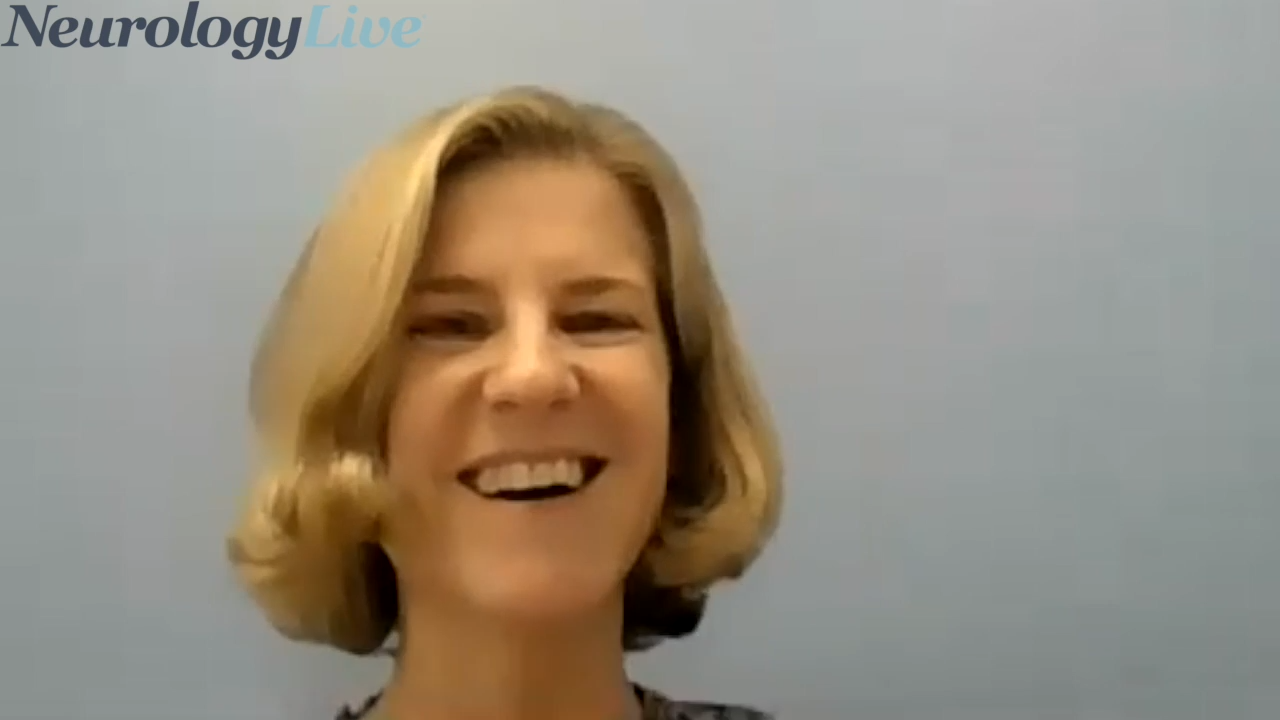
NeuroVoices: Diana Gallagher, MD, on New Phase 2 FUSION Study of BTK Inhibitor BIIB091
By Marco Meglio
Advertisement
Latest Videos



CME Content






Advertisement
More News
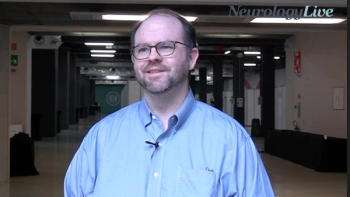
The director of the neurology residency program and assistant professor of neurology at the University of South Alabama College of Medicine shared his insights from a year’s worth of using a serum biomarker test for the diagnosis of multiple sclerosis. [WATCH TIME: 5 minutes]

Hammer, a patient advocate living with acute flaccid myelitis, discussed the language around neurologic disability, and how the conversations should shift going forward. [WATCH TIME: 4 minutes]

Here's some of what is coming soon to NeurologyLive® this week.
Test your neurology knowledge with NeurologyLive®'s weekly quiz series, featuring questions on a variety of clinical and historical neurology topics. This week's topic is the European Committe for Treatment and Research in Multiple Sclerosis.

Data from a US database suggest that patients who switched to eculizumab (Soliris; Alexion) significantly reduced their hospitalization, days hospitalized, and documented comorbidities.
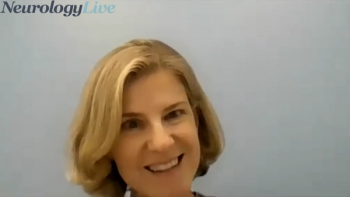
The head of Biogen’s MS and Immunology Department Unit discussed FUSION, a new phase 2, 2-part study assessing the efficacy and safety of BIIB091, an investigational Bruton’s tyrosine kinase inhibitor. [WATCH TIME: 3 minutes]
Take 5 minutes to catch up on NeurologyLive®'s highlights from the week ending October 13, 2023.

Over a 6-month period, ofatumumab-treated patients met the primary end point of no change or reduction in the number of gadolinium-enhancing lesions on MRI.

The clinical research director of the UCSF Multiple Sclerosis Center talked about a clinical trial highlighting the therapeutic benefits of longterm treatment with inebilizumab in patients with NMOSD. [WATCH TIME: 4 minutes]

Findings from the OCARINA I study presented at the MSMilan 2023 meeting showed that a 920 mg subcutaneous dose of ocrelizumab was well-tolerated in patients with relapsing or primary progressive multiple sclerosis, with similar exposure to the FDA-approved intravenous dose.

A recent analysis presented at MSMilan 2023 showed significant cognitive and biomarker improvements among patients with progressive multiple sclerosis receiving repeated intrathecal injections of autologous mesenchymal stem cells.
The director of the Multiple Sclerosis Program at UCLA discussed the need to consider HRT among women with MS going through menopause, and how HRT can improve its negative effects. [WATCH TIME: 4 minutes]

A new analysis of the SAkuraMoon study showed that annual relapse rate remained consistently low in satralizumab-treated patients, with high proportions of patients remaining free from relapse, severe relapse, and worsening in disability.

Despite not showing significant associations, those with B cell suppression had longer time to relapse, new MRI activity, and progression independent of relapse activity than those without.
The founder and chief executive officer of Joi Life Wellness Group Multiple Sclerosis Center provided insight on the barriers with expanding precision medicine and the need for additional biomarkers of clinical progression. [WATCH TIME: 3 minutes]
The administration of a subcutaneous 920-mg dose resulted in near-complete suppression of radiological and clinical disease activity as measured up to week 24, similar to the intravenous therapy.

Using a minimally invasive neuromodulation device, patients showed decreases in Overactive Bladder questionnaire symptoms and increases in OAB-q quality of life scores.

A recent analysis of the PREVENT and CHAMPION-NMOSD found no significant differences in safety outcomes for patients with AQP4+ NMOSD who were treated with rituximab prior to starting C5 complement inhibitors in specific timeframes.

Following the switch from natalizumab, patients with multiple sclerosis on anti-CD20 therapies like rituximab demonstrated significant reductions in annualized relapse rate.
Catch up on any of the neurology news headlines you may have missed over the course of September 2023, compiled all into one place by the NeurologyLive® team.
Here's some of what is coming soon to NeurologyLive® this week.
Test your neurology knowledge with NeurologyLive®'s weekly quiz series, featuring questions on a variety of clinical and historical neurology topics. This week's topic is sleep disorders.
Take 5 minutes to catch up on NeurologyLive®'s highlights from the week ending October 6, 2023.

Researchers proposed a harmonized definition of progression independent of relapse activity that may improve the comparability of results in current and future study cohorts, according to a newly published systematic review.

After being diagnosed with acute flaccid myelitis more than 10 years ago, patient advocate Sarah Todd Hammer spoke on the ways in which disability should be viewed and discussed.
Advertisement
Advertisement
Trending on NeurologyLive - Clinical Neurology News and Neurology Expert Insights
1
Cladribine Tablets Show Ability to Improve or Stabilize Cognitive Function in Patients With Relapsing Multiple Sclerosis
2
Women Physicians Day 2026: Sex-Specific Clinical Considerations in Women With Epilepsy
3
Myelin Protective Small Molecule Lucid-MS Shows Promising Early-Stage Data in Healthy Volunteers
4
Cladribine Maintains Efficacy, Safety Profile in Older Patients With Multiple Sclerosis
5