
Over a 24-week treatment period, reldesemtiv failed to show a significant effect vs placebo on the primary end point of ALS Functional Scale-Revised, as well as other key secondary end points.
Over a 24-week treatment period, reldesemtiv failed to show a significant effect vs placebo on the primary end point of ALS Functional Scale-Revised, as well as other key secondary end points.
Neurology News Network for the week ending April 1, 2023. [WATCH TIME: 4 minutes]
In recognition of International Pompe Day, held on April 15, 2023, get caught up on some of the latest news in Pompe disease as the NeurologyLive® team shares some of our data updates.
In honor of Traumatic Brain Injury Month, held on March 2023, get caught up on some of the latest news in traumatic brain injury as the NeurologyLive® team shares some of our data updates.
Take 5 minutes to catch up on NeurologyLive®'s highlights from the week ending March 31, 2023.
The director of the center for gene therapy at Nationwide Children's Hospital talked about the challenges and opportunities of gene therapies for neuromuscular diseases at the 2023 MDA conference. [WATCH TIME: 4 minutes]
Similar to data reported at 35 weeks, patients on eplontersen continued to see consistent reductions in serum transthyretin concentration for up to 66 weeks of treatment.
The senior statistical scientist and director of consulting at Berry Consultants talked about innovative clinical trial design in ALS research at the 2023 MDA conference. [WATCH TIME: 5 minutes]

Beth McQuiston, MD, RD, neurologist, and medical director at Abbott, shared her initial reaction to the FDA approval of the blood test for traumatic brain injury and a campaign to bring awareness to concussions.

Pitolisant, marketed as Wakix, recently received approval from the European Medicines Agency for pediatric narcolepsy with or without cataplexy.
In total, 302 pharmacodynamic changes due to CT1812 were identified, with 11 Alzheimer-related priority biomarkers altered in comparison with placebo.

The neuroophthalmologist at Mayo Clinic discussed the current understanding of optic neuritis in neuromyelitis optica and the ways clinicians are working to improve recovery. [WATCH TIME: 4 minutes]

Despite a pause in the trial due to the COVID-19 pandemic, patients who opted to continue treatment into the open-label extension demonstrated significant improvements in Parkinson disease dementia symptoms for up to 48 weeks.
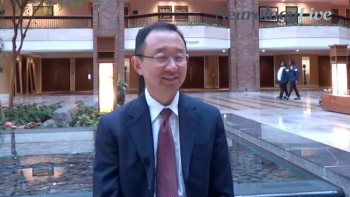
At the 2023 MDA conference, the professor of neurology at the University of Minnesota talked about the current understanding and challenges of Limb Girdle muscular dystrophy from a clinical perspective. [WATCH TIME: 5 minutes]

Over a 6-month open-label extension period, mazindol ER was found to be safe, with patients demonstrating significant decreases in number of weekly cataplexy episodes and improvements in daytime sleepiness.
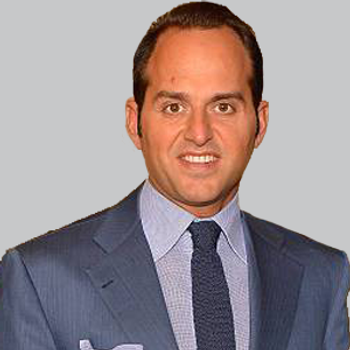
Foralumab, a fully human anti-CD3 monoclonal antibody, has had treatment effect demonstrated in patients with COVID-19 and with multiple sclerosis, as well as in healthy normal individuals.
Pitolisant, a selective histamine H3 receptor inverse agonist, reduced the frequency of cataplexy in pediatric patients with narcolepsy.

Michael Levy, MD, PhD, associate professor at Harvard Medical School, talked about the differences between multiple sclerosis and neuromyelitis optica spectrum disorder, the currently available treatments, and next steps in research.
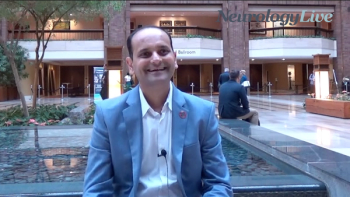
The senior vice president of research at The ALS Association talked about the complexities of ALS and the importance of collaboration in research at the 2023 MDA conference. [WATCH TIME: 5 minutes]

The director of the Comprehensive Epilepsy Center at NYU Langone provided perspective on the advantages modified Atkins diets bring to patients with epilepsy and those considering epilepsy surgery.

In a phase 3 study, extended-release sodium oxybate demonstrated statistically significant and clinically meaningful results in excessive daytime sleepiness, clinician’s assessment of patient’s functioning, and reduction in cataplexy attacks.
Disease activity, severity, or effect of treatment in patients with NMOSD may be predicted by aminoacyl-tRNA synthetase-interacting multifunctional protein-1.
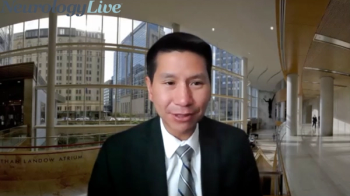
The neuroophthalmologist at mayo clinic provided context on the importance of raising awareness for NMOSD and the signs that precede clinical events. [WATCH TIME: 3 minutes]
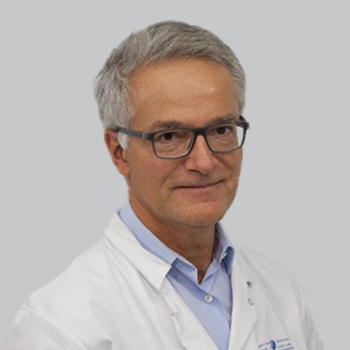
An evaluation on the long-term treatment profile of sodium oxybate on pediatrics with narcolepsy revealed a safety profile similar to previous adult studies and identified no unexpected safety concerns.

The assistant professor of pediatrics at Harvard Medical School provided perspective on the care needs of adolescents and young adults with narcolepsy, and the importance of early detection of lingering issues. [WATCH TIME: 3 minutes]

Elaine Kingwell, PhD, senior research associate at University College London provided perspective on a study presented at the 2023 ACTRIMS Forum on HIV and multiple sclerosis.

Time to milestones such as invasive and noninvasive ventilation, speech-generating devices, and hospice care took significantly longer while on intravenous edaravone.

At the willingness to pay threshold of $200,000 per QALY gained, the estimated annual value for lecanemab was $35,678 and $37,351 from the payer and societal perspectives, respectively.
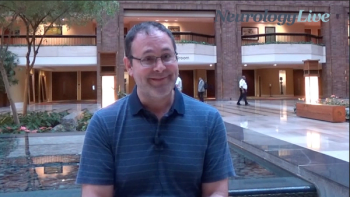
The research associate professor in the department of physical therapy at the University of Florida talked about physical therapy inventions for neuromuscular diseases at the 2023 MDA conference. [WATCH TIME: 4 minutes]
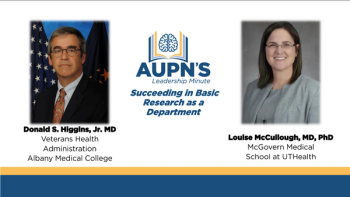
Episode 32 of the AUPN Leadership Minute features Donald S. Higgins, Jr., MD, of the VHA and Albany Medical College; and Louise McCullough, MD, PhD, of the McGovern Medical School of UTHealth. [WATCH TIME: 5 minutes]