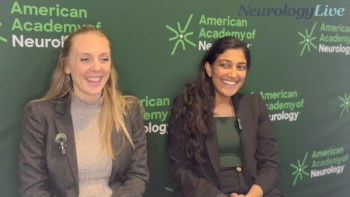
Catch up on any of the neurology news headlines you may have missed over the course of April 2025, compiled all into one place by the NeurologyLive® team.

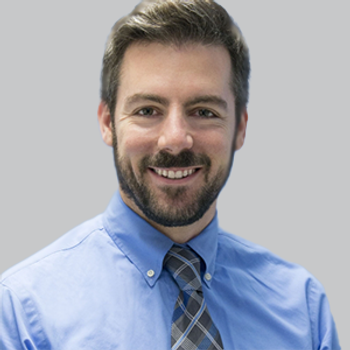
Isabella Ciccone, Content Associate, NeurologyLive®, has been with the team since September 2022. Follow her on X @iciccone7 or email her at [email protected]

Catch up on any of the neurology news headlines you may have missed over the course of April 2025, compiled all into one place by the NeurologyLive® team.

The clinical associate professor of neurology and neurosurgery at NYU Langone talked about the promise of machine learning in identifying patients at high risk for hematoma expansion to guide care. [WATCH TIME: 2 minutes]

The professor of neurology at the University of Pennsylvania Perelman School of Medicine discussed the evolving role of noninvasive neuromodulation in promoting brain plasticity. [WATCH TIME: 3 minutes]

Evan L. Smith, PhD, assistant professor of Physical Medicine & Rehabilitation at University of Michigan, discussed how emotional wellbeing, motivation, and evidence-based therapies can significantly influence outcomes in MS.

The clinical professor of stroke neurology and neurocritical care at Stanford University discussed the shifting perspective on early blood pressure lowering in intracerebral hemorrhage. [WATCH TIME: 4 minutes]

The medical director for the Center for Brain injuries at Hackensack Meridian Health provided recommendations for clinicians to consider in the rehabilitation of women with TBI. [WATCH TIME: 6 minutes]

The research portfolio director at the Muscular Dystrophy Association highlighted advances in gene-targeted therapies and biomarker development as potential key drivers of progress in ALS.

Theranica's FDA-cleared, drug-free migraine device gains expanded access, more than doubling coverage to 80 million Americans as young as 8 years old who are diagnosed with migraine.

The professor of neurology at the University of Buffalo talked about the clinical promise of nipocalimab and its role in broadening treatment options for patients with myasthenia gravis, including adolescents. [WATCH TIME: 4 minutes]
Capricor Therapeutics reported that it remains on track for PDUFA target action date of August 31, 2025 and noted that advisory committee meeting is to be held in advance.

The expanded access program enables the collection of real-world data on the safety and efficacy of SPG302, which may support its clinical development for the treatment of amyotrophic lateral sclerosis.

The research portfolio director at the Muscular Dystrophy Association talked about recent advances in ALS research highlight the promise of gene-targeted treatments and the increasing utility of biomarkers for diagnosis. [WATCH TIME: 3 minutes]

Christine Greiss, DO, medical director for the Center for Brain injuries at Hackensack Meridian Health, discussed the nuanced impact of hormonal fluctuations, psychological factors, and postmenopausal status on TBI recovery in women.

A physician assistant specializing in Parkinson disease talked about how emerging technologies and proactive care models could transform the treatment landscape for Parkinson disease. [WATCH TIME: 4 minutes]
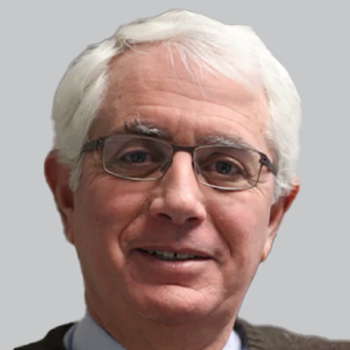
Jack P. Antel, MD, professor of neurology and neurosurgery at McGill University, reflected on key advances in neuroimmune research and their implications for understanding and treating MS.

Satsuma’s STS101 nasal powder becomes the first and only DHE nasal powder for the acute treatment of migraine with or without aura in adults.

Explore the latest advancements in cell and gene therapies for Parkinson disease, featuring cutting-edge treatments and clinical trial updates from top innovators in the field.

The REGENERATE-PD trial is a phase 2 study assessing the safety and efficacy of the investigational gene therapy AB-1005 in patients with moderate-stage Parkinson disease.

The chief scientific officer of the Parkinson’s Foundation talked about how broad genetic testing through PD GENEration is uncovering valuable prognostic and diagnostic insights in Parkinson disease. [WATCH TIME: 4 minutes]
A new meta-analysis revealed that the efficacy of MRI-guided focused ultrasound decreased over time in essential tremor, with sensory symptoms and unsteadiness as common adverse effects.

The division chief of neurology at Nemours Children’s Hospital discussed evolving surgical techniques, neuromodulation therapies, and precision medicine approaches for complex epilepsy cases. [WATCH TIME: 5 minutes}

A recently published meta-analysis reported that fatty acid supplementation, particularly omega-3, may significantly reduce severity, duration, and frequency of migraine in patients.

Bruce Bebo, PhD, and Amit Bar-Or, MD, FRCPC, FAAN, FANA, discussed the impact of the John Dystel Prize on multiple sclerosis research and its role in shaping future clinical advancements.

Sumaira Ahmed, founder and executive director of The Sumaira Foundation, discussed how FDA-approved therapies transformed the NMOSD treatment landscape and highlighted ongoing challenges in patient care.

The founder and executive director of the Sumaira Foundation emphasized the critical role of lifestyle factors such as sleep, exercise, and nutrition for maintaining brain health in patients with NMOSD. [WATCH TIME: 3 minutes]

The neuromuscular neurologist at Nemours Children's Hospital in Florida talked about the increasing role of genomic medicine in neuromuscular disorders. [WATCH TIME: 4 minutes]
The director of sleep medicine at Nemours Children's Health in Florida talked about the growing treatment landscape for pediatric sleep disorders and the vital role of family-centered, multidisciplinary care. [WATCH TIME: 5 minutes]

The switch from 1 anti-CGRP monoclonal antibody to another led to a significant reduction in monthly headache days, regardless of target mechanism, dose history, or time between treatments.

The system has been previously recognized with breakthrough device designation by the FDA, emphasizing its potential to enhance epilepsy care through more effective diagnosis and management.

The director of sleep medicine at Nemours Children's Health in Florida talked about the growing role of multidisciplinary care and novel therapies in managing pediatric sleep disorders.