

The analysis revealed a significant link between the proportion of AQP4 antibody-positive cases and a higher female-to-male sex ratio in NMOSD.

Marco Meglio, Assistant Managing Editor for NeurologyLive, has been with the team since October 2019. Follow him on Twitter @marcomeglio1 or email him at [email protected]
The analysis revealed a significant link between the proportion of AQP4 antibody-positive cases and a higher female-to-male sex ratio in NMOSD.

ABA-101 has shown promising safety and anti-inflammatory effects in animal models, and Abata Therapeutics plans to initiate a Phase 1 study in 2024 to evaluate its potential for treating progressive multiple sclerosis.

Phase 1b trials involving patients with Parkinson are planned for late 2024, with data expected by mid-2025.

Study authors concluded that enhanced pre-pregnancy counseling and specialized perinatal care are crucial for safer outcomes in pregnant women with epilepsy.

The chairman and chief executive officer at Biomed discussed the additive benefits of combination therapy for Alzheimer disease, providing context on the strengths of different drugs and how it might lead to a more precision medicine approach. [WATCH TIME: 6 minutes]

The published data provided preliminary evidence that AMX0035 engages Alzheimer disease pathology and pathways of neurodegeneration, synaptic function, gliosis, and oxidative stress.

Investigational drug CT1812 showed potential to improve neurophysiological markers in mild-to-moderate Alzheimer's disease, with notable EEG changes observed in a recent phase 2 study.

Steve Herne, chief commercial officer at Unlearn, provided context on a recently conducted study assessing the company’s digital twin methodology AI tool to enhance the statistical certainty of Alzheimer trials.

Vibrance-2 is a double-blind, placebo-controlled trial with 80 participants, assessing three doses of ALKS 2680 over eight weeks

A recent prospective study reveals significant alterations in heavy metal and trace element levels among patients with migraine, suggesting these imbalances may play a role in the pathogenesis and progression of the condition.
Test your neurology knowledge with NeurologyLive®'s weekly quiz series, featuring questions on a variety of clinical and historical neurology topics. This week's topic is on epilepsy surgery.

Mind Moments®, a podcast from NeurologyLive®, brings you an exclusive interview with Sharon Cohen, MD. [LISTEN TIME: 20 minutes]

The data suggest that PrimeC's modulation of iron homeostasis may be a key mechanism in its therapeutic effect, supporting its advancement to phase 3 trials.

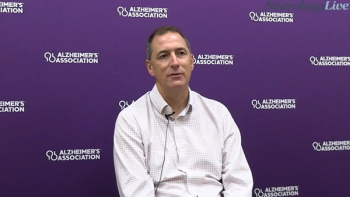
The medical director of the Toronto Memory Program at the University of Toronto gave clinical perspective on the promise of mivelsiran, an investigational RNA interference therapeutic, and the idea behind using RNA therapies to treat Alzheimer disease. [WATCH TIME: 5 minutes]
The chief medical officer and head of Research & Development at Cognition Therapeutics discussed data from the phase 2 proof-of-concept SHINE study assessing CT1812, a small molecule oligomer antagonist, in early-stage Alzheimer disease.

The study highlights a dramatic decrease in income for patients following disease onset and a significantly higher proportion of them requiring social welfare jobs or disability pensions.
The chairman and chief executive officer at Biomed provided insight on the hypothesis behind a new phase 3 study assessing NA-831, an agent with neurogenesis effects, with lecanemab, a previously approved drug for Alzheimer disease. [WATCH TIME: 7 minutes]

Most relapses occurred before patients resumed immunotherapy after giving birth, suggesting that continued immunosuppression during pregnancy might help prevent attacks.
The professor of neurology and Diana Davis Spencer Foundation Chair at the Jackson Laboratory discussed the emerging importance of microglia in the context of Alzheimer disease research and its potential implications for clinical trials. [WATCH TIME: 4 minutes]

The double-blind, single-dose, 5-period crossover study is expected to include approximately 40 patients with narcolepsy type 1 to test 3 dose strengths of E2086.
Test your neurology knowledge with NeurologyLive®'s weekly quiz series, featuring questions on a variety of clinical and historical neurology topics. This week's topic is on care of frontotemporal dementia.
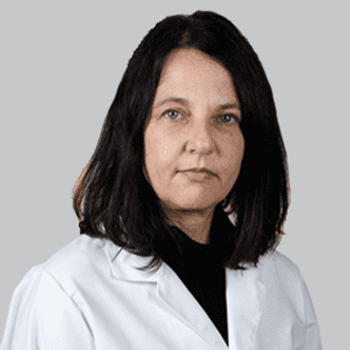
The study found a 98% agreement between treating physicians’ initial diagnoses and the new MOGAD criteria.

The study suggests that overall, migraine is not directly related to traditional CVRFs, and further research is needed, especially in younger populations, to explore these relationships over longer periods.

Peter Vanderklish, PhD, chief science officer at Spingogenix, commented on a recently initiated phase 2 trial assessing investigational SPG302, a synaptic-regenerative agent in development for Alzheimer disease.

AOC 1044, an investigational antisense oligonucleotide treatment for patients with Duchenne muscular dystrophy, has previously been granted orphan drug and fast track designation by the FDA.

Medtronic's asleep DBS approval could expand treatment options for patients unable to tolerate awake surgery, enhancing access to deep brain stimulation therapy.

The drug showed a highly favorable pharmacokinetic profile, with maximal concentrations (Tmax) achieved within 1.5 to 2 hours and a mean terminal elimination half-life ranging between 8 to 12 hours.
Test your neurology knowledge with NeurologyLive®'s weekly quiz series, featuring questions on a variety of clinical and historical neurology topics. This week's topic is on care of idiopathic hypersomnia.

Early use of Ceribell’s POC-EEG system significantly improves detection of nonconvulsive seizures, reduces ICU length of stay, and enhances patient outcomes compared to conventional EEG.

Results showed that the DAAE Score performs well, with consistent risk estimates across the derivation (JMSC), internal-validation (JMSC), and external-validation (MSCA) dataset across treatment centers internationally.