


MS and Demyelinating Disorders
Latest News
Advertisement
Latest Videos



CME Content


Advertisement
More News
Experts in neurology provide insight into treatment selection and sequencing in patients with multiple sclerosis, focusing on S1P modulators.

The coauthors of a study assessing costs associated with unused disease-modifying therapies shared their insight into the extended effects of unused treatments in MS. [WATCH TIME: 14 minutes]

The impact of retinal thinning was higher when using GCIPL rather than pRNFL thinning as it explained more of the variance in relapse remission.
Ahmed Obeidat, MD, PhD; Randall Schapiro, MD, FAAN; and Jeffrey Wilken, PhD, comment on early investigations surrounding the impact of multiple sclerosis on cognition and brain health and the current lack of focus regarding its impact on patients.
Ahmed Obeidat, MD, PhD; and Randall Schapiro, MD, FAAN, discuss the prevalence of multiple sclerosis and highlight how the disease has evolved since they began practicing. They also review the impact it has on patients and their support communities.
BPCLI was observed in both NMOSD and MOGAD but was relatively rarer in AQP4 NMOSD, with meningoencephalitis-like episodes among the sources of misdiagnosis.

Here's some of what is coming soon to NeurologyLive® this week.

The medical director of the North Texas Institute of Neurology and Headache offered an overview of the State of the Science Summit that was held on July 21, 2022, with a variety of expert clinicians in MS care. [WATCH TIME: 3 minutes]
Take 5 minutes to catch up on NeurologyLive®'s highlights from the week ending August 5, 2022.
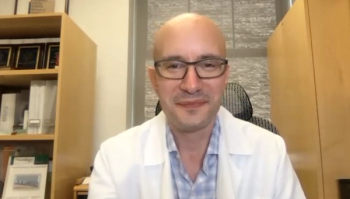
The neurologist at the Corinne Goldsmith Dickinson Center for MS offered an overview of the State of the Science Summit that was held on June 30, 2022, with a variety of expert clinicians from Mount Sinai. [WATCH TIME: 7 minutes]

In a cohort of patients with NMOSD, more severe depressive symptoms were associated with increased time-varying functional connectivity between the precuneus and temporal cortex.
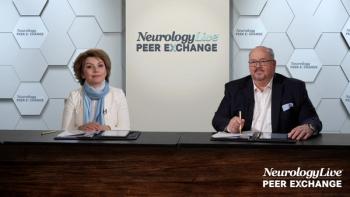
Jeffrey Dunn, MD, and Regina Berkovich, MD, PhD, provide an overview of the impact vaccinations and immunization may have on multiple sclerosis therapies, highlighting the ability of S1P treatments to remain effective.
Regina Berkovich, MD, PhD, provides insight on the considerations and patient awareness of the risk of infections with disease-modifying therapies in patients with multiple sclerosis.
Experts in neurology share their hopes for the future of multiple sclerosis treatment and discuss unmet needs and novel targets.
Amit Bar-Or, MD, FRCPC, and Bridget A. Bagert, MD, share their opinions on how to move investigative treatments for multiple sclerosis off the laboratory bench and into clinical practice.
Doctors in neurology comment on the hidden symptoms of multiple sclerosis and debate whether they should be treatment targets.
Dr Okuda shares his thoughts on the importance of patient dialogue in successful management of multiple sclerosis.
A multiple sclerosis expert, Dr Darin Okuda reviews long-term outcomes with ozanimod in DAYBREAK trial based on the number of relapses that was presented at EAN 2022.
Dr Darin Okuda discusses strategies for treatment selection and management of relapses in multiple sclerosis.
Dr Jacqueline Nicholas hypothesizes about the utility of neurofilaments as a biomarker of disease severity in patients with multiple sclerosis.
Heidi Crayton, MD, and Jacqueline Nicholas, MD, review the importance of long-term safety data in the management of patients with multiple sclerosis, and Flavia Nelson, MD, discusses her approach to counseling patients on the safety considerations regarding new S1P modulating agents.
Catch up on any of the neurology news headlines you may have missed over the course of the last month, compiled all into one place by the NeurologyLive® team.
Here's some of what is coming soon to NeurologyLive® this week.
Test your neurology knowledge with NeurologyLive®'s weekly quiz series, featuring questions on a variety of clinical and historical neurology topics. This week's topic is the history of the Alzheimer's Association.
Take 5 minutes to catch up on NeurologyLive®'s highlights from the week ending July 29, 2022.
Advertisement
Advertisement
Trending on NeurologyLive - Clinical Neurology News and Neurology Expert Insights
1
Cladribine Tablets Show Ability to Improve or Stabilize Cognitive Function in Patients With Relapsing Multiple Sclerosis
2
Women Physicians Day 2026: Sex-Specific Clinical Considerations in Women With Epilepsy
3
Myelin Protective Small Molecule Lucid-MS Shows Promising Early-Stage Data in Healthy Volunteers
4
Cladribine Tablets Reduce Treatment Switches, Outpatient Visits, and Health Care Costs in Multiple Sclerosis
5